Weaving Knowledge: Embedding Indigenous Perspectives in the Griffith Curriculum
As we celebrate NAIDOC Week 2025 and reflect on this year’s theme, ‘The Next Generation: Strength, Vision & Legacy,’ we turn our focus to the transformative work happening within Griffith’s learning and teaching spaces. Embedding Aboriginal and Torres Strait Islander knowledges into the curriculum is not only a commitment to truth-telling and reconciliation, but also a powerful way to shape culturally capable graduates who carry forward the values, wisdom and resilience of the world’s oldest continuing cultures. In this post, we speak with Dr Kerry Hall, who is helping lead this important work.
Can you tell us about the work you and the team are doing to embed Indigenous knowledges into the curriculum at Griffith?
Griffith University demonstrates a strong commitment to embedding Aboriginal and Torres Strait Islander knowledges and perspectives across its curriculum, underpinned by the principle that all students should graduate with a deep appreciation of Indigenous values, histories and worldviews. A key initiative in this journey is the Framing Indigenous Knowledges and Perspectives in Curriculum Guide, launched during NAIDOC Week in July 2024, which provides a strategic framework for staff to meaningfully integrate Indigenous perspectives into their teaching. Complementing this resource, a dedicated Curriculum Mapping Tool was developed to support course evaluation and enhancement.
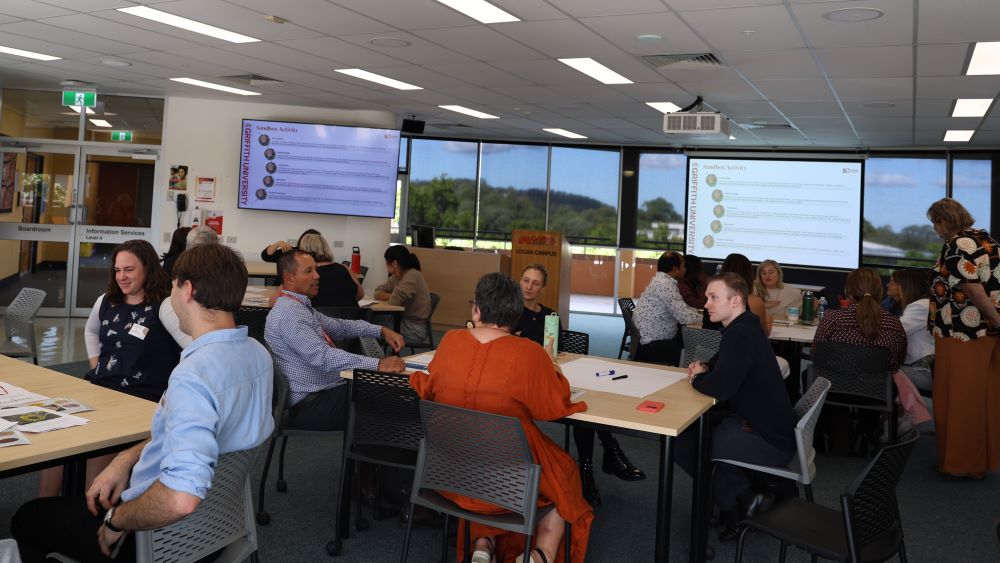
To build capacity and cultural competency, more than 185 staff members have participated in tailored workshops and training sessions, some of which were held in culturally significant locations such as the Yarning Circle and Bush Tucker Garden. Further fostering community and reflection, a Community of Practice has been established, offering drop-in sessions to encourage ongoing collaboration among staff.
What advice would you give to educators who want to start embedding Indigenous perspectives into their teaching?
‘Start with acknowledgment—recognising the Traditional Custodians of the land in each class sets a tone of respect.’
For educators beginning the journey of embedding Indigenous perspectives into their teaching, it’s vital to start with acknowledgment—recognising the Traditional Custodians of the land in each class sets a tone of respect. Building genuine relationships with local Indigenous communities, knowledge holders and organisations is equally essential, fostering authentic connections that support meaningful learning.
Incorporating literature and storytelling by First Nations authors across the curriculum and exploring Indigenous knowledge systems in all subject areas—from science and mathematics to the arts—ensures these perspectives are not sidelined. Avoiding tokenism by weaving these perspectives thoughtfully into the fabric of the curriculum creates lasting impact.
Educators should also reflect on their own cultural lens, centre Indigenous voices, embrace place-based learning where appropriate and approach this process with humility, patience and a willingness to grow. Engaging in professional development and collaborating with colleagues further strengthens this important work, making it a shared and evolving journey.
This year’s NAIDOC Week theme celebrates ‘The Next Generation: Strength, Vision & Legacy.’ How does your work in embedding Indigenous knowledges help shape the next generation of graduates at Griffith?
‘This work is inherently collective—educators, students and communities coming together in shared purpose to shape the next generation.’
The 2025 NAIDOC Week theme, “The Next Generation: Strength, Vision & Legacy,” serves as a profound and timely call to action—one that resonates deeply with Griffith University’s commitment to weaving Aboriginal and Torres Strait Islander knowledges throughout its curriculum. Like the intricate practice of weaving, this educational work binds resilient and diverse threads—stories, lived experiences, cultural teachings and perspectives—into the fabric of our students’ learning journeys.
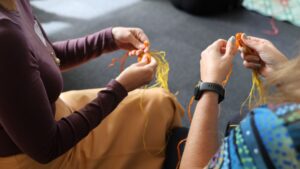
These threads embody strength, grounding learners in the rich legacies of the world’s oldest continuing cultures and fostering resilience, cultural humility and identity. They reflect vision, offering holistic, relational worldviews that are deeply connected to Country and inspire ethical, innovative leadership. And they carry legacy, enabling graduates to step into the world with cultural capability and, with it, a sense of responsibility, respect and a drive toward reconciliation and justice.
This work is inherently collective—educators, students and communities coming together in shared purpose to shape the next generation. It is not only about what we teach but how, why and with whom we learn—honouring relationships and walking alongside one another on this transformational journey.