Blending science and culture: Mackenzie Trenerry’s journey in water quality research
Mackenzie Trenerry is a proud Kamilaroi woman and a Griffith PhD candidate whose passion for water quality is deeply rooted in both scientific inquiry and cultural heritage. As part of our Researcher Profile series, we had the opportunity to learn more about Mackenzie’s current research, the inspiration behind her PhD journey and the insights she’s gained along the way.
What inspired you to pursue a PhD, and how did you choose your research topic?
I was inspired to pursue a PhD when I watched my research mentor, Martin Luna Juncal, work through his. Seeing the research he was doing with farmers, and the impact it had on both water quality and people’s lives, gave me a first-hand view of how powerful research can be. Working alongside him and the rest of the team developed my own passion for water quality. When it came to choosing my topic, I wanted to build on that passion and bring in my Indigenous heritage, which guided me toward research that blends scientific approaches with cultural knowledge to support communities in meaningful ways.
Can you tell us a bit about your current research project?
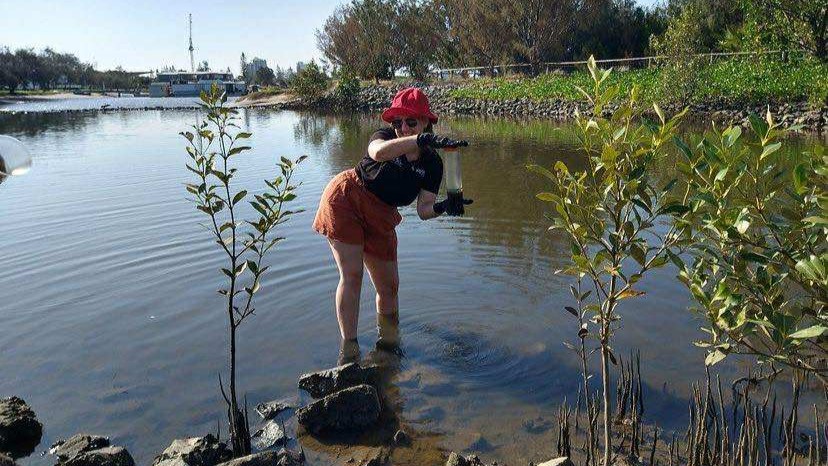
My project is centred on developing and strengthening community capacity in water quality, with a strong emphasis on two-way learning approaches. This means integrating Indigenous knowledges with scientific practice in a way that values both equally and ensures communities have genuine ownership of outcomes. A big focus is on supporting self-determination and creating opportunities for communities to lead their own water education and engagement. The long-term goal is to co-create solutions that are sustainable, culturally informed and empowering for the people they are designed to serve.
What have been some key learnings or challenges in your PhD journey so far?
One of the biggest learnings has been the importance of balance—between cultural protocols and research protocols, and between creating a project in genuine collaboration with communities, while also meeting the requirements of a PhD program. That can be difficult, because research with communities doesn’t always fit neatly into academic timelines. Another challenge has been the sheer scale of the PhD journey itself. It’s easy to feel overwhelmed or discouraged at times, but those moments have also been where I’ve learnt the most. They’ve taught me patience, resilience and the value of surrounding yourself with a strong network of mentors, peers and supporters who keep you going.
What advice would you give to someone considering undertaking a PhD?
I think it comes down to three pillars: good supervisors (mine are Edoardo Bertone, Cara Beal and Kerry Hall), a strong support network and a project you’re truly passionate about. A PhD is a long and demanding journey, and most days are not easy. Without those three things, it’s very hard to sustain motivation and energy. But if you have them, it becomes an incredible experience – one that not only challenges you intellectually but also helps you grow personally and professionally in ways you might not expect.
Griffith is proud to produce world-class research contributing to the Sustainable Development Goals.

Are you thinking of pursuing a research degree?
If you would like to find out more, check out the research study web page.
